04 · The service ribbon
Thirteen stops, each a date, a photograph and a source — from the Declaration to the classroom. The red-white-blue ribbon draws in as you read.
- 177601 / 14
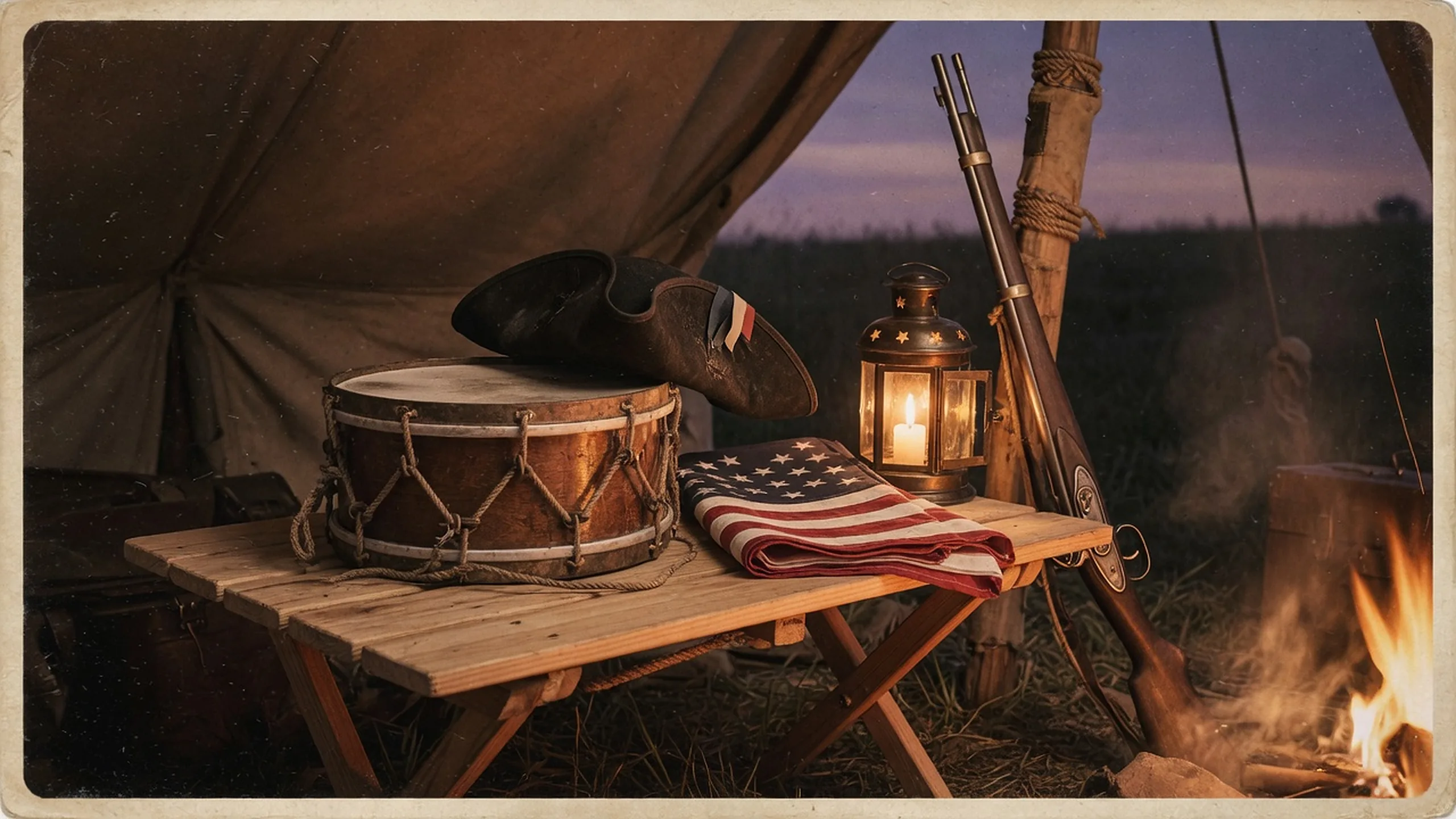
The spirit of '76
The Declaration of Independence. The timeline of American freedom begins — and Black Americans have served in every American war since.
Freedom isn't free — the campaign's phrase begins here. The men on this site served in uniforms whose lineage runs back to the militias of 1776, and each of them served before the country had fully kept its founding promise to them.
Source · National Archives
 1861–6502 / 14
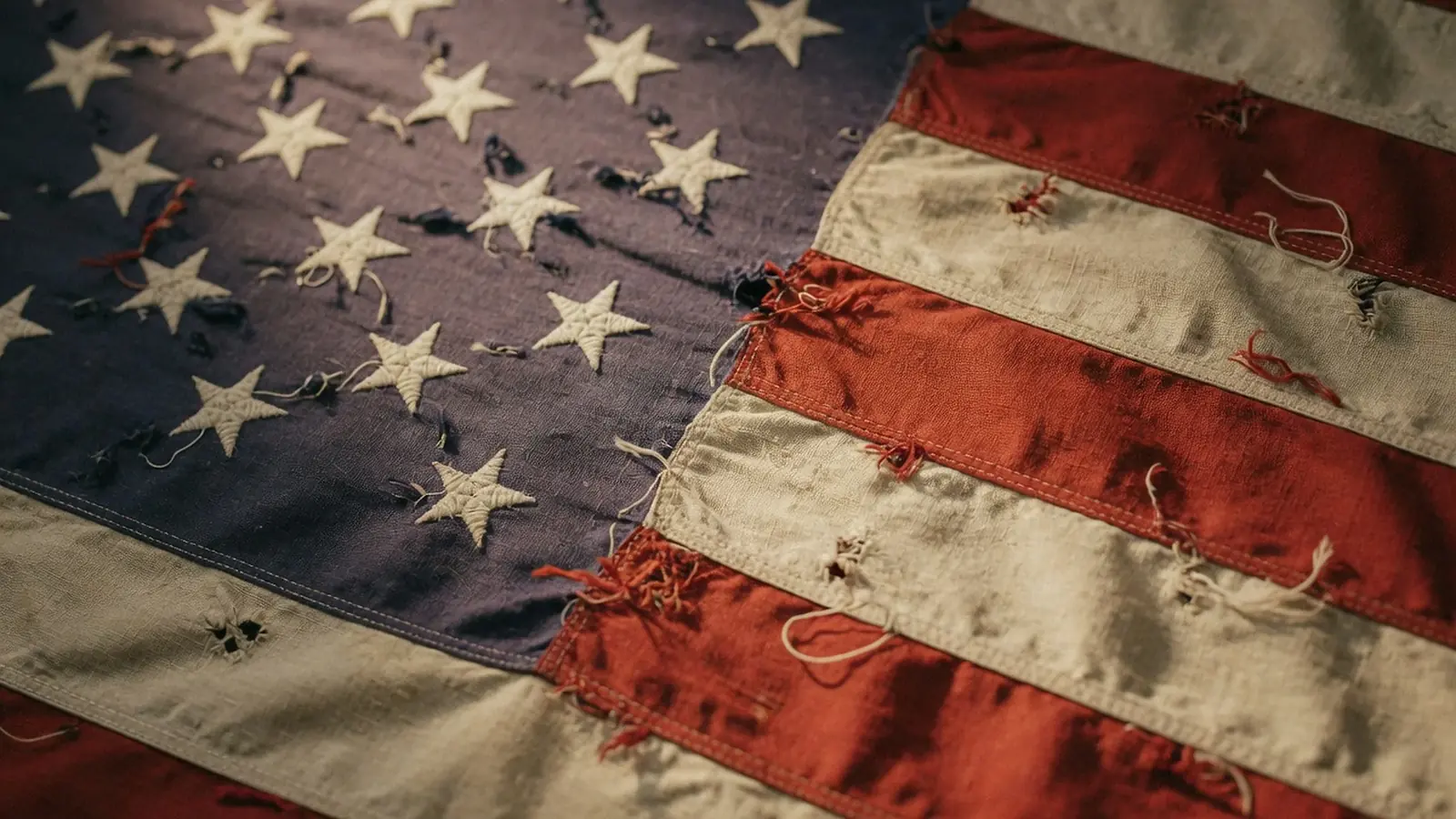
United States Colored Troops
Nearly 180,000 Black soldiers serve the Union in the U.S.C.T. Frederick Douglass argued that a man with an eagle on his button and a musket on his shoulder had earned his citizenship.
The United States Colored Troops were raised after the Emancipation Proclamation. Their service made the argument for citizenship in the plainest terms available: the uniform, the musket and the flag.
Source · National Park Service
 186603 / 14
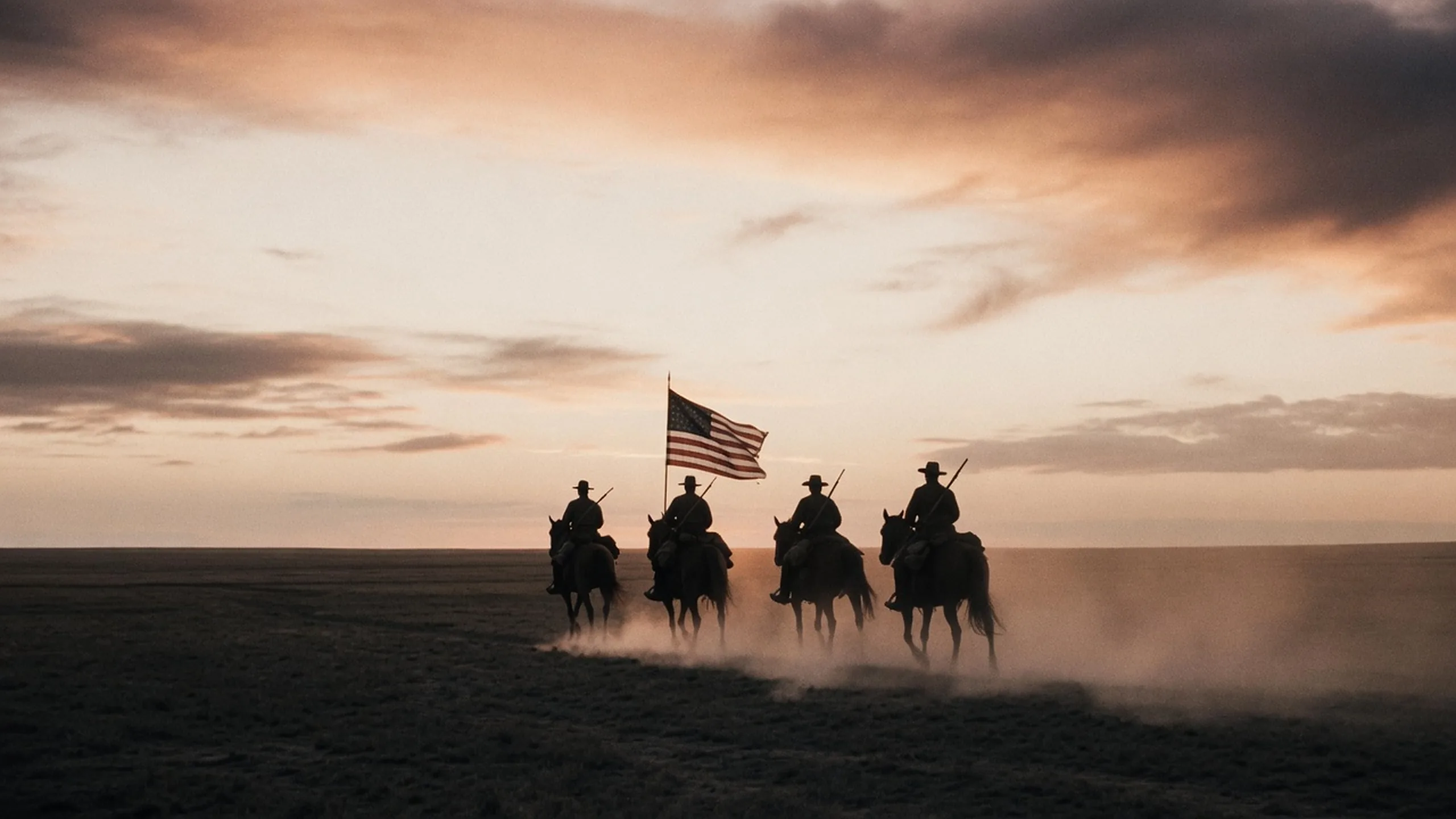
Buffalo Soldiers
Congress authorizes the first peacetime regiments of Black regulars — the 9th and 10th Cavalry, the 24th and 25th Infantry.
The Buffalo Soldiers are the thread that runs through the whole Victory by Valor project. Kareem Abdul-Jabbar, Anthony Powell and Kevin Clark assembled a 2,000-piece exhibit on the regiments, shown at the Schomburg Center in Harlem — Powell's grandfather, Sgt. Samuel Waller, served forty years as one of the original Buffalo Soldiers.
Source · National Park Service
 1917–1804 / 14
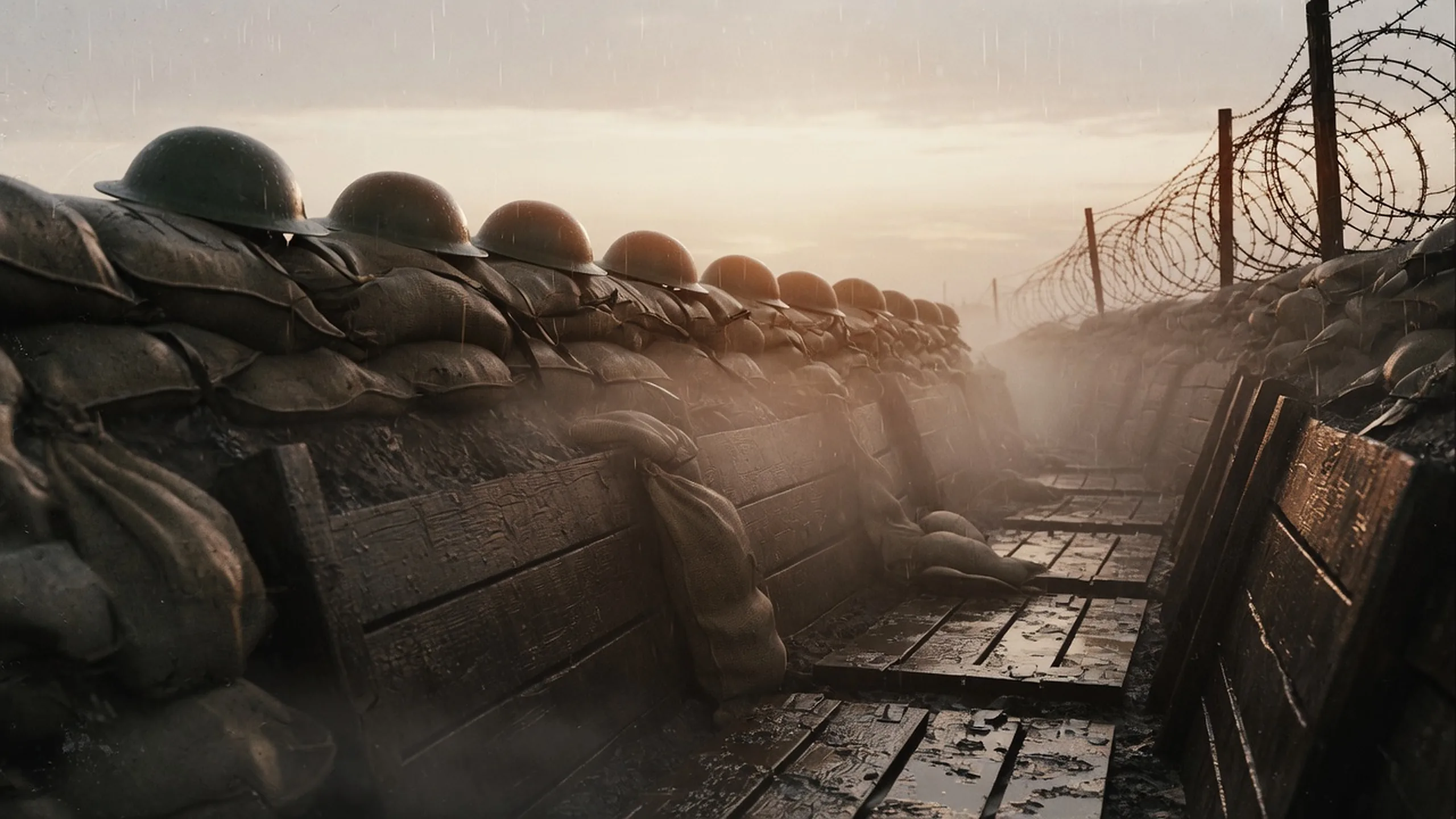
The Western Front
Black regiments such as the 369th Infantry — the "Harlem Hellfighters" — fight under French command in the First World War.
A generation before the Double V, Black regiments fought a war for democracy abroad and came home to a country that still denied it to them. The 1919 Pershing Games in Paris appear in Kevin Clark's storyboard cards.
Source · National Archives
 7 Feb 194205 / 14
The Double V
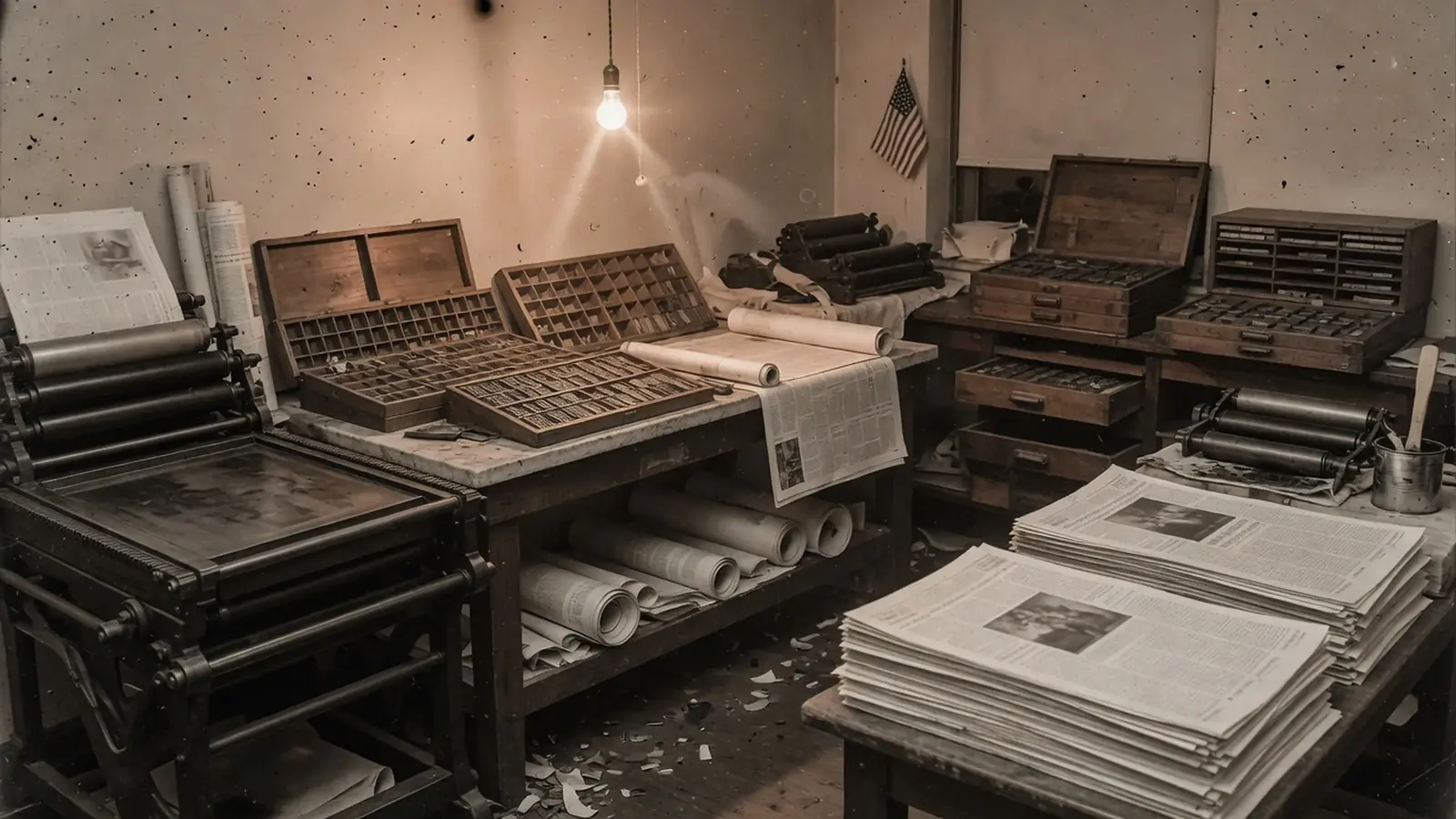
The Pittsburgh Courier launches the Double Victory campaign — victory over fascism abroad, victory over racism at home — after James G. Thompson asks, "Should I sacrifice to live half-American?"
Thompson, a defense-plant cafeteria worker in Wichita, wrote his letter in January 1942. The Courier turned it into a national campaign with its own insignia — two V's — that ran through the war years and gave a name to the fight for the right to fight.
Source · National Park Service
 6 Jul 194406 / 14
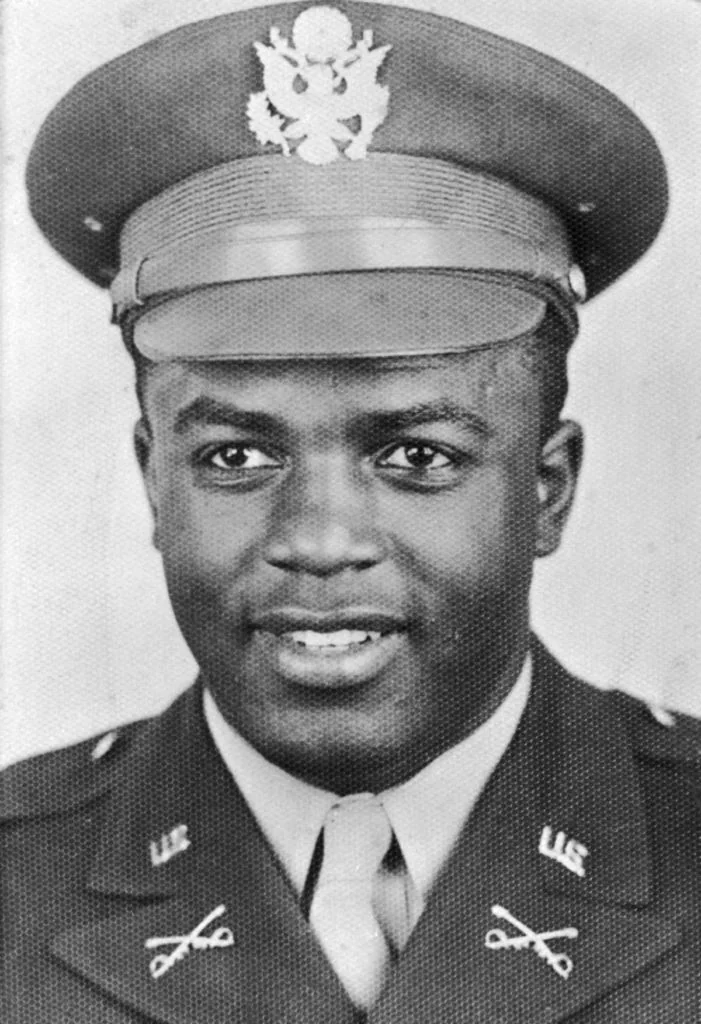
Lt. Robinson keeps his seat
At Camp Hood, Texas, 2nd Lt. Jackie Robinson refuses a driver's order to move to the back of an Army bus. Court-martialed 2 August; acquitted on every charge.
The Army had ordered its buses desegregated the previous month. Robinson knew the regulation and said so. Four of the six original charges were dropped before trial; he was tried on 2 August and acquitted on all of the rest.
Source · National WWII Museum
 4 May 194507 / 14
The 761st reaches Gunskirchen
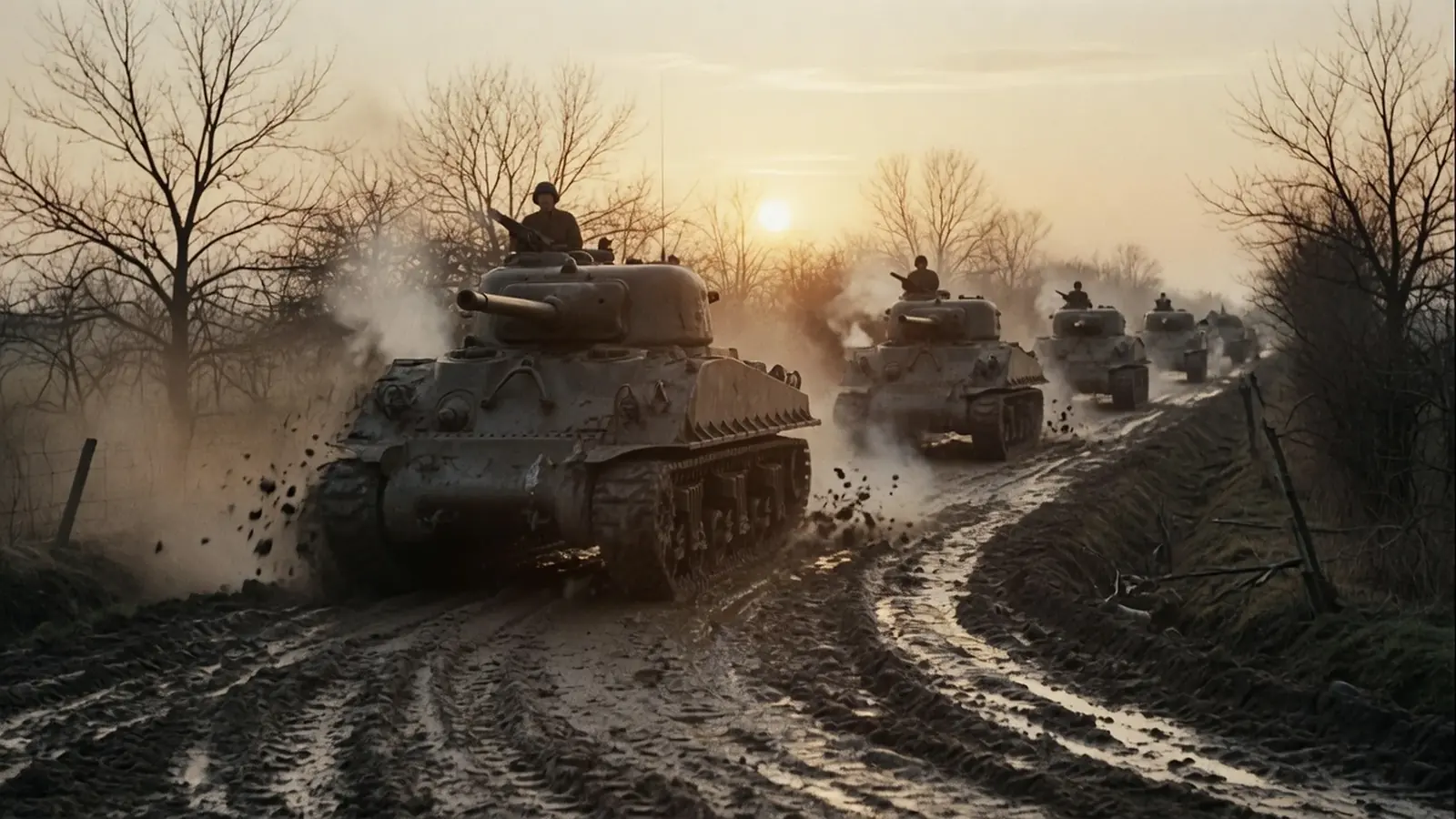
Robinson's old battalion, the Black Panthers, fighting since October 1944, comes upon the Gunskirchen camp in Austria. Presidential Unit Citation, finally, in 1978.
The battalion Robinson had trained with entered combat in October 1944 and fought through the winter. On 4 May 1945, with the 71st Infantry Division, it came upon Gunskirchen, a sub-camp of Mauthausen whose guards had fled. The Presidential Unit Citation came in 1978.
Source · National WWII Museum · HISTORY
 15 Apr 194708 / 14
The color line falls
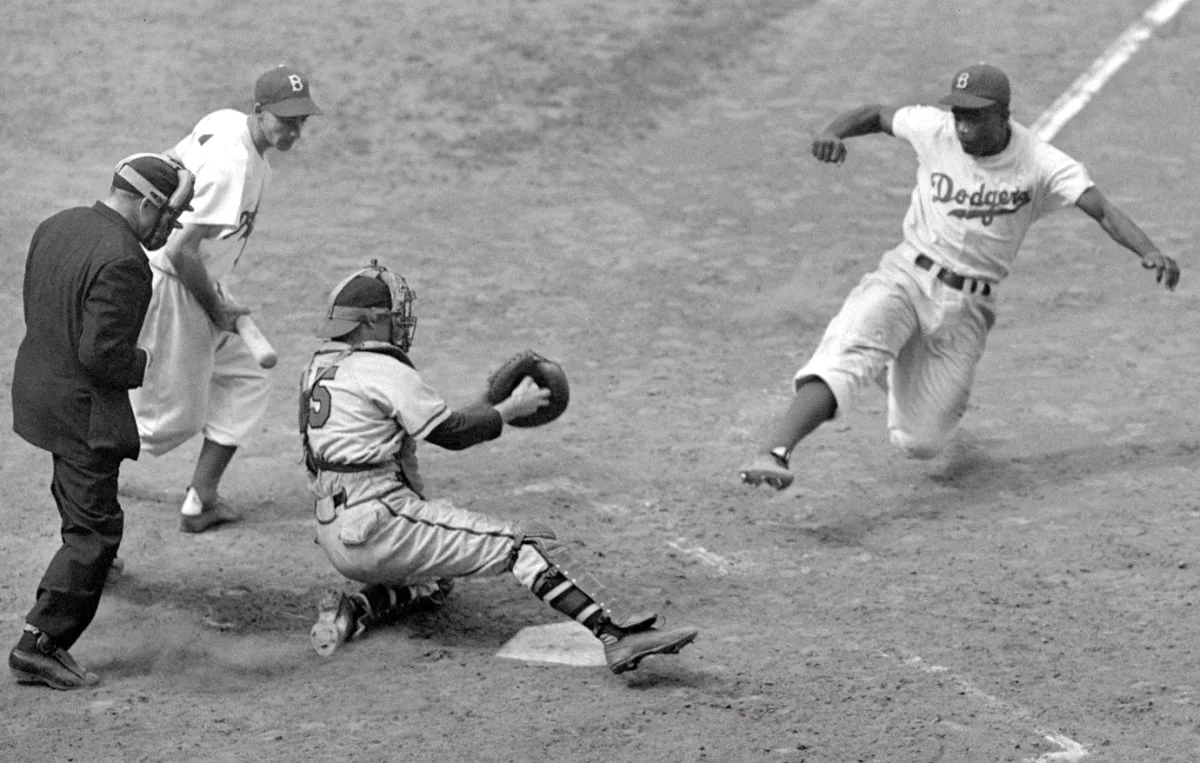
Jackie Robinson takes first base for the Brooklyn Dodgers at Ebbets Field. Every 15 April, all of baseball wears 42.
"The most eagerly anticipated debut in the annals of the National Pastime," as the Hall of Fame puts it. Robinson had already stood up for equal rights — in an Army courtroom — three years earlier.
Source · Baseball Hall of Fame
 26 Jul 194809 / 14
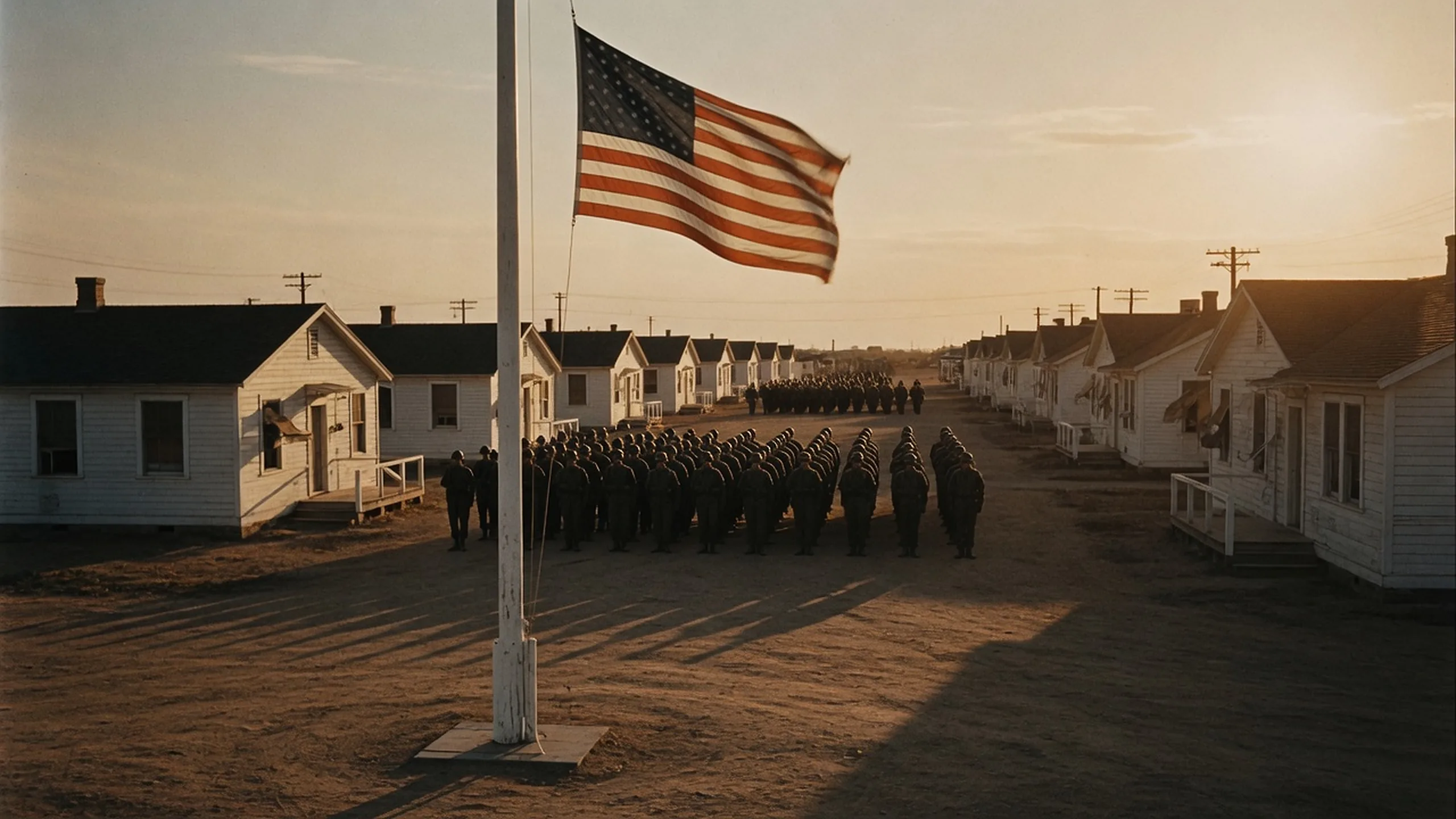
Executive Order 9981
President Truman: "there shall be equality of treatment and opportunity for all persons in the armed forces without regard to race, color, religion, or national origin."
Truman's order created a presidential committee to carry it out and declared that the policy "shall be put into effect as rapidly as possible." It is the hinge of the Victory by Valor timeline: the victory at home that the Double V had demanded.
Source · National Archives
 1952–5410 / 14
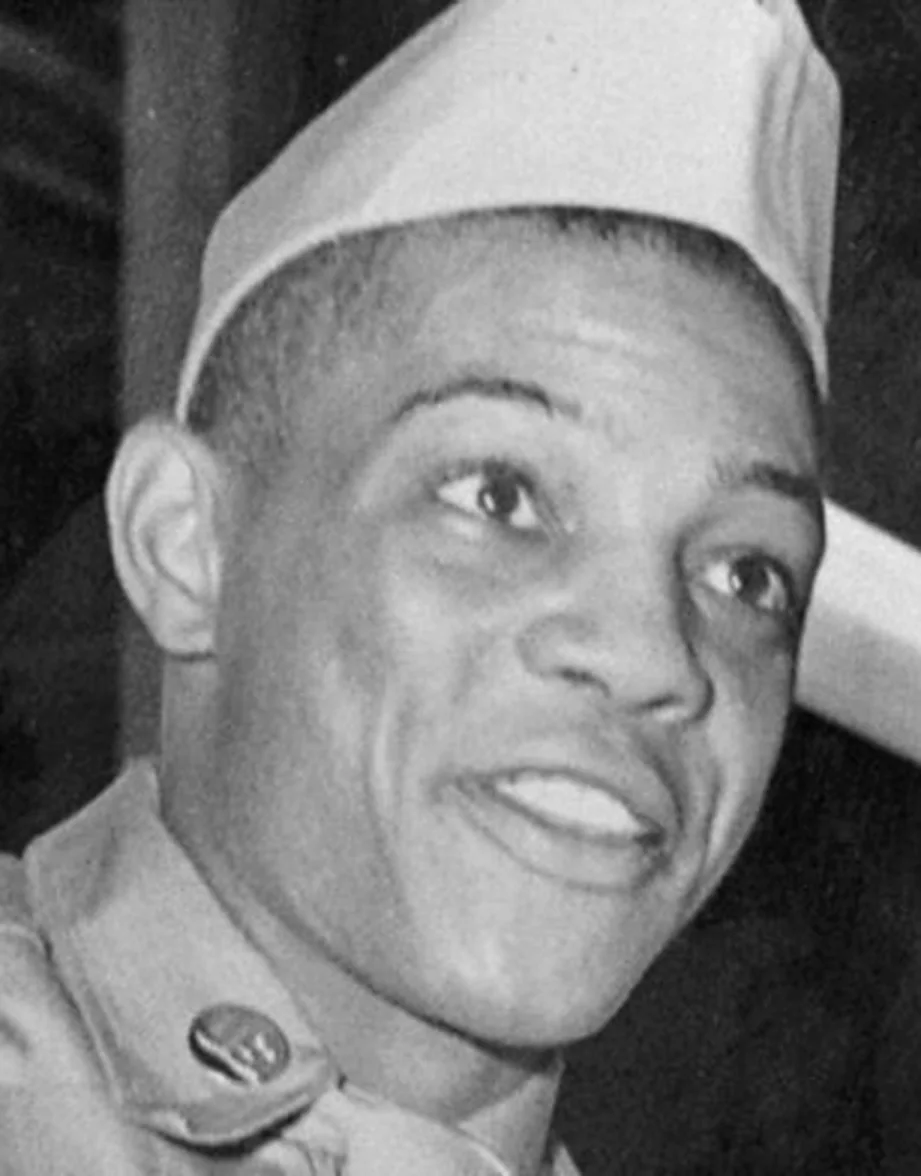
Pvt. Mays at Fort Eustis
The reigning Rookie of the Year is drafted during the Korean War and serves as a physical-training instructor in Virginia, missing about 266 games.
Mays reported to Fort Eustis and served as a physical-training instructor. He learned the basket catch from a fellow Fort Eustis outfielder and came back in 1954 to win the batting title and the World Series.
Source · Baseball Hall of Fame · U.S. Army
 28 Apr 196711 / 14
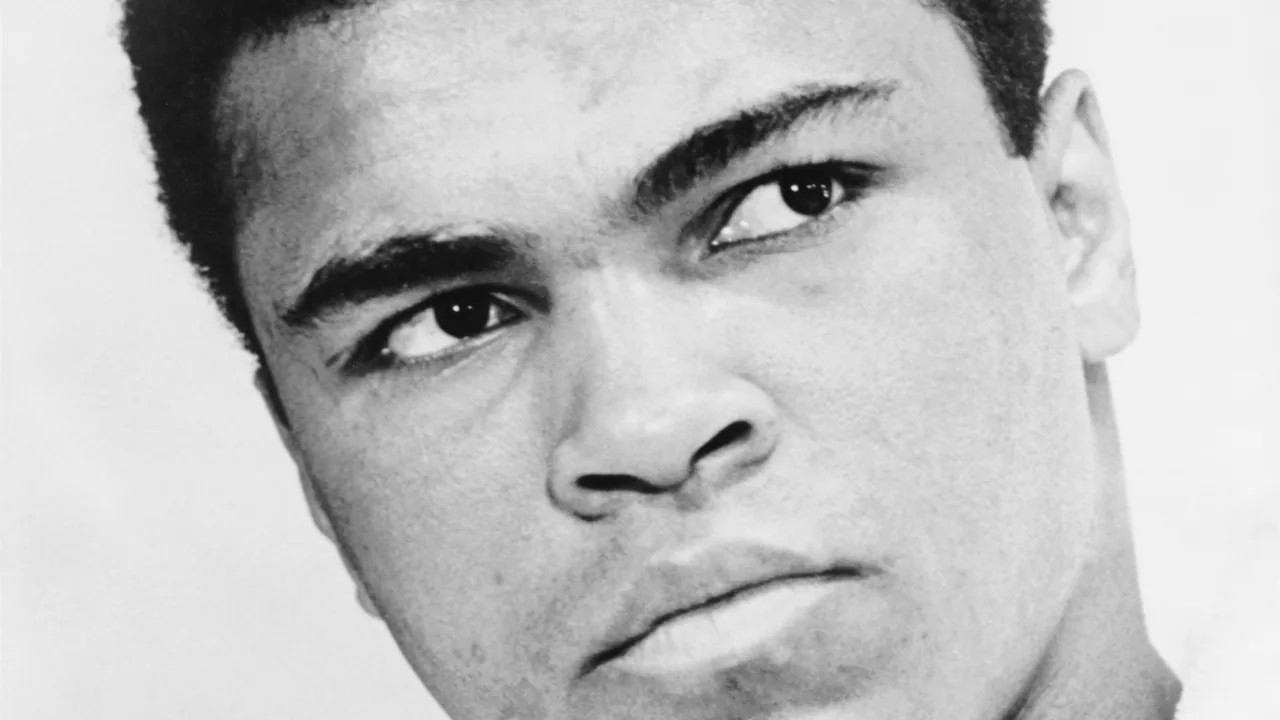
Ali refuses induction
Muhammad Ali, world heavyweight champion, refuses induction into the U.S. Army at Houston as a conscientious objector. Stripped of his title the same day; convicted in June and sentenced to five years.
The counterpoint on this ribbon. Lt. Ashe and Capt. Pender wore the uniform; Ali would not, on religious grounds, and said he had no quarrel with the Vietcong. He did not box for three and a half years. On 28 June 1971 the Supreme Court overturned the conviction unanimously in Clay v. United States.
Source · WHSV · This Day in History (28 Apr 2026) · Clay v. United States, 403 U.S. 698 (1971)
Watch · WHSV ↗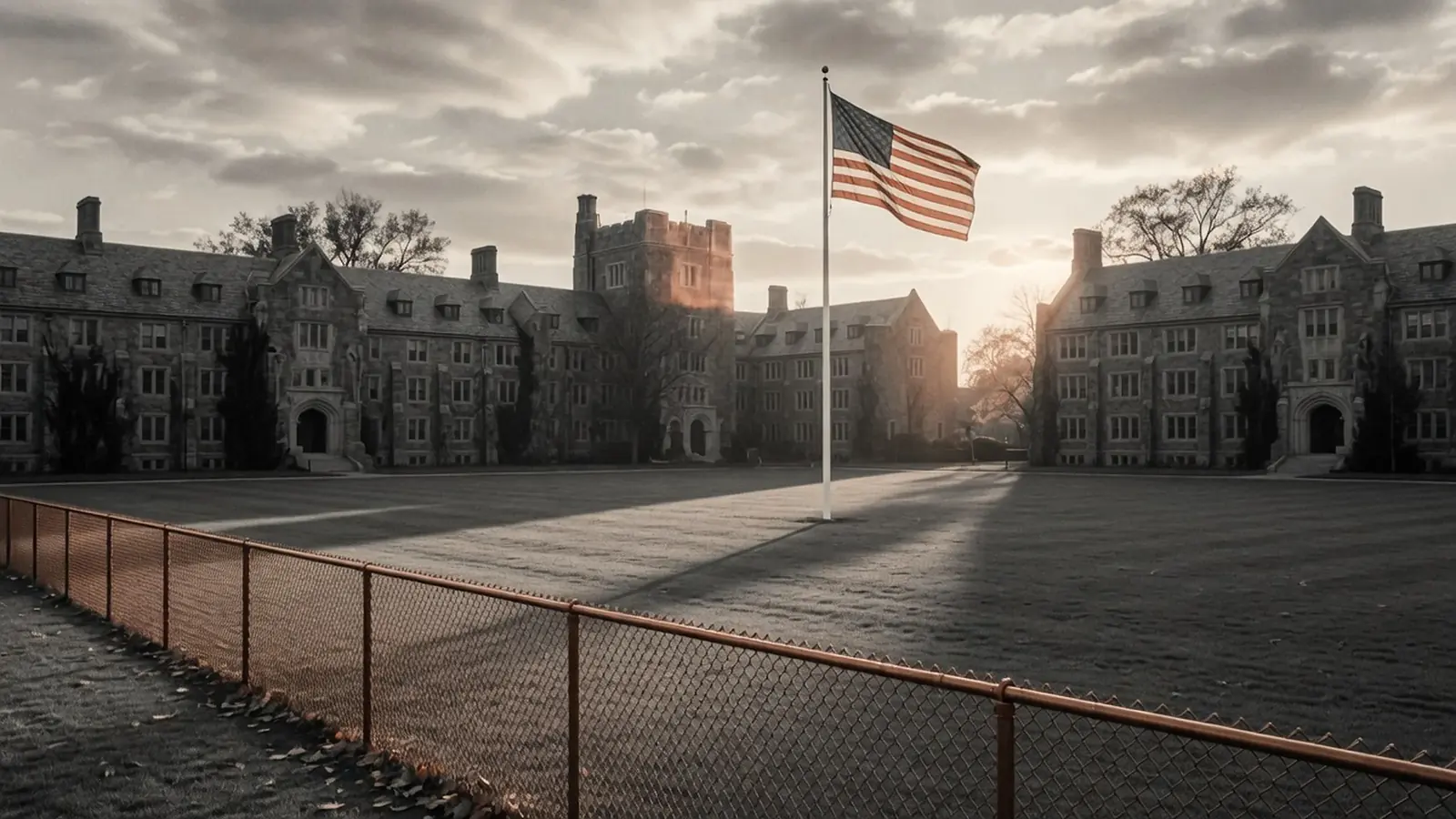 1967–6912 / 14
Lt. Ashe at West Point
Systems analyst and assistant tennis coach at the Military Academy — and, in 1968, champion of the first US Open while on active duty.
Ashe entered the Army as a second lieutenant for a two-year tour and worked as a systems analyst and assistant tennis coach at the Military Academy — duties that left him time to compete. His brother Johnnie, a Marine, volunteered for a second Vietnam tour so that Arthur would not be sent.
Source · Library of Virginia · Tennis Hall of Fame
 198713 / 14
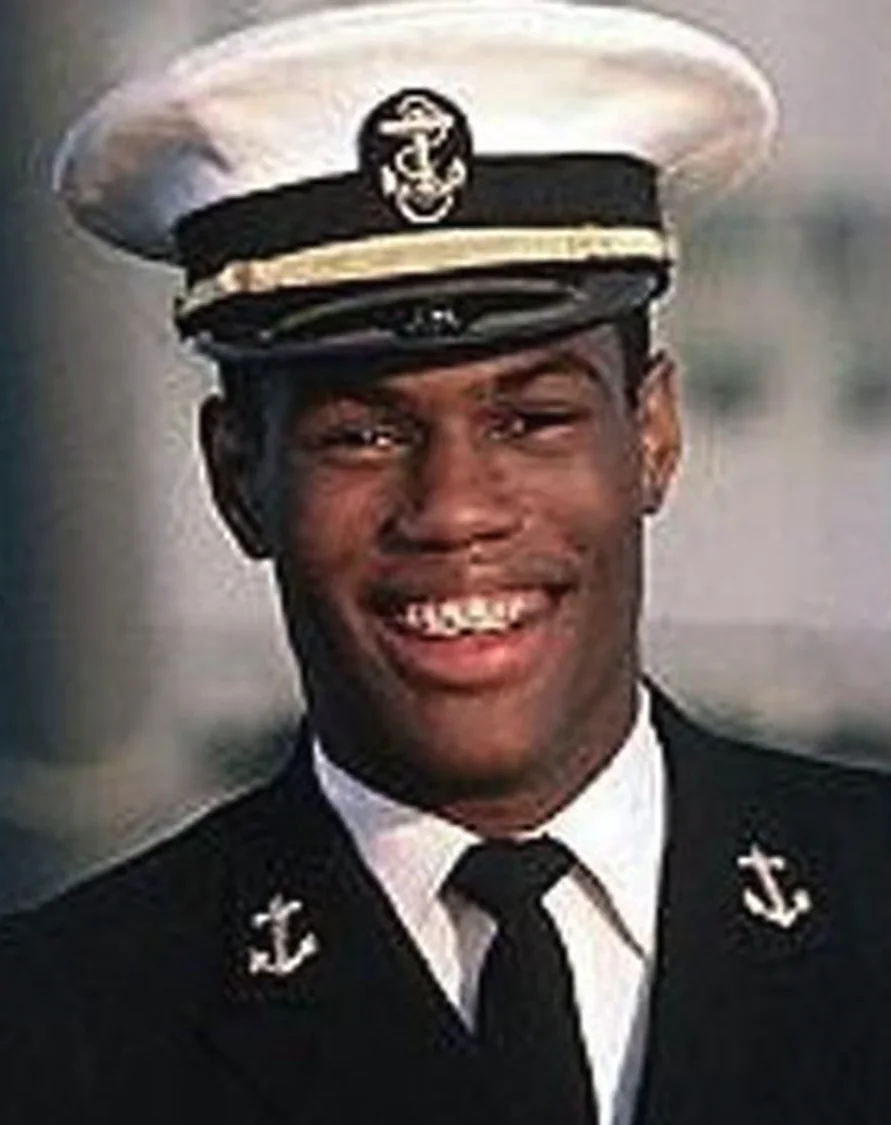
Ensign Robinson, Annapolis
David Robinson graduates the Naval Academy and reports to the Civil Engineer Corps before the Spurs — "The Admiral."
Too tall for ships, submarines or aircraft, Robinson was commissioned into the Civil Engineer Corps and served his commitment before the Spurs — the last of the six to wear two uniforms.
Source · Naismith Hall of Fame
 Today14 / 14
The H.E.R.O. Project
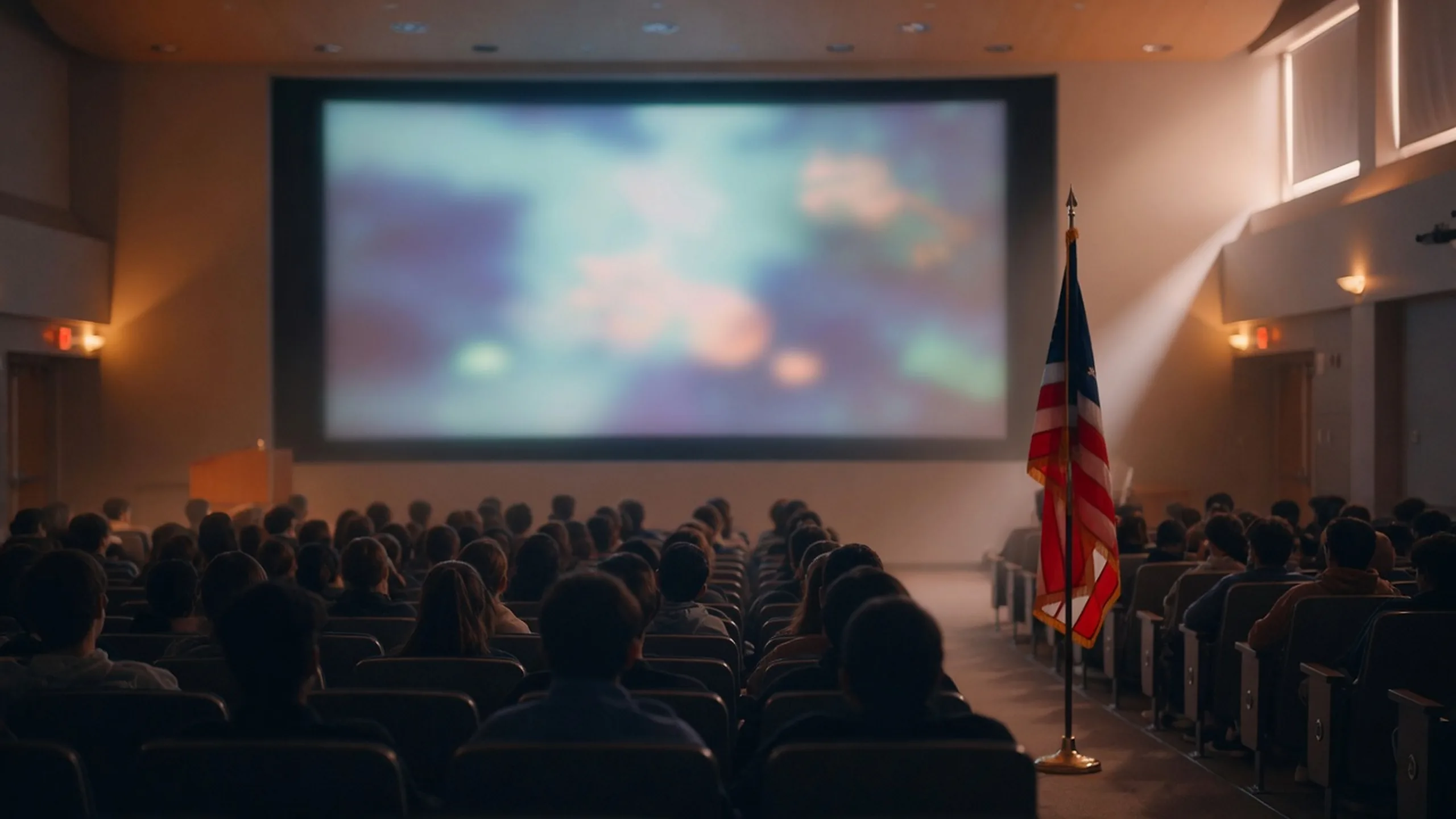
Higher Education Resiliency Operation: student assembly screenings, Did-You-Know vignettes, JROTC programming and a speaker's bureau — finding the hero within.
The H.E.R.O. Project takes this timeline into classrooms: student assembly screenings, Did-You-Know vignettes, a panel that asks what a hero is, a curriculum for educators and a speaker's bureau led by Brig. Gen. Arnold Gordon-Bray (Ret.).
Source · Dakar Foundation